Pediatric PCD Pharma Franchise

Pcd Pharma Franchise In Bangalore
May 12, 2026
Nutraceutical Pharma Franchise
May 26, 2026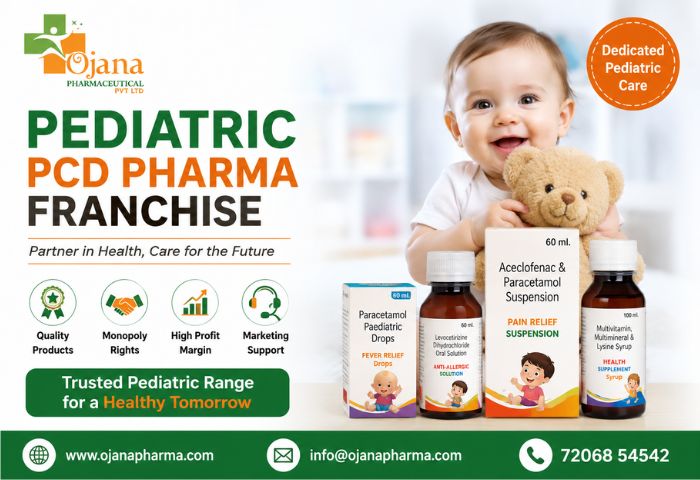
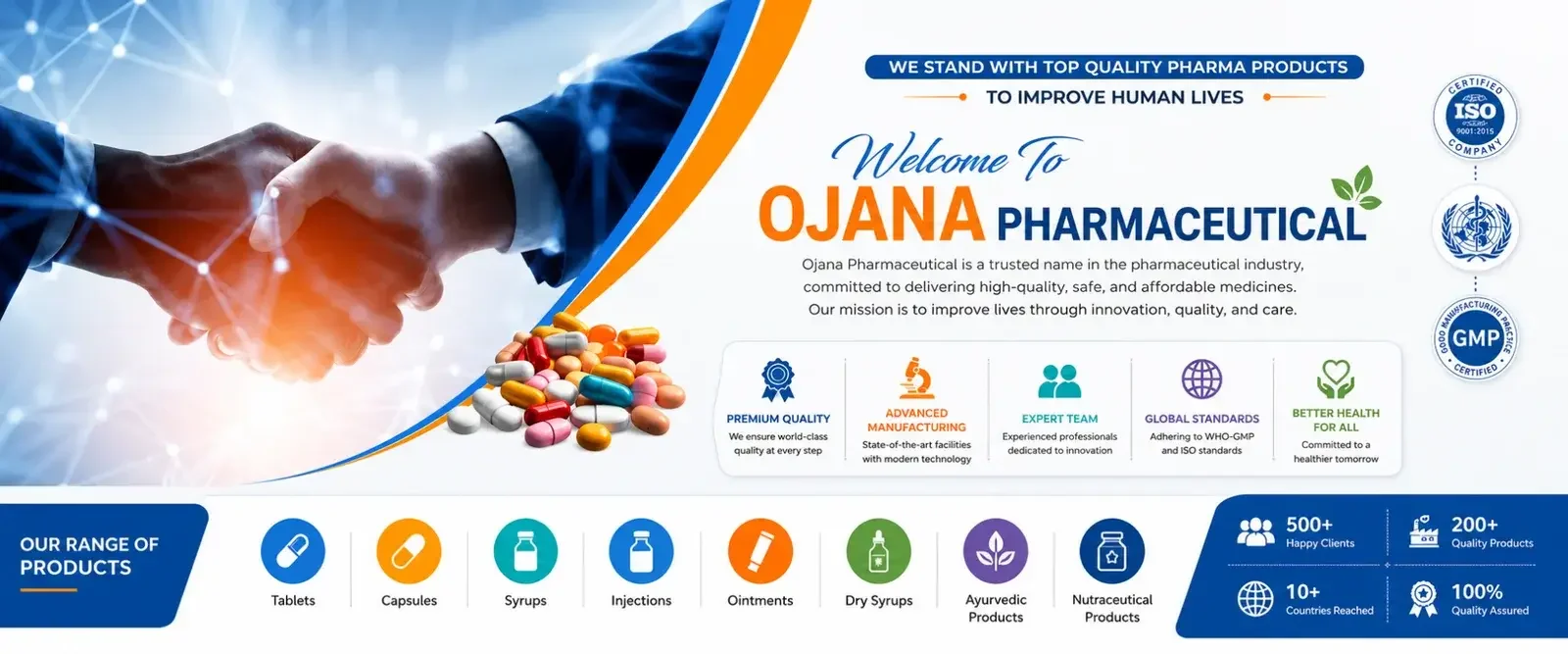
The healthcare landscape is undergoing a massive transformation, with specialised medicine taking centre stage and driving immense interest in a dedicated Pediatric PCD Pharma Franchise. Among the various medical specialities, pediatric healthcare has emerged as one of the most resilient and fast-growing sectors globally. Children require distinct medical care, highly precise dosages, and specifically formulated drug delivery systems—such as pleasant-tasting oral drops, suspensions, and dispersible tablets—making the distribution of these specialised products both highly essential and incredibly profitable.
For aspiring entrepreneurs, medical representatives, and pharma distributors, this specialised demand presents a highly lucrative business opportunity: investing in a Pediatric PCD Pharma Franchise.
This comprehensive guide explores the ins and outs of the pediatric pharmaceutical sector, why it is a highly profitable venture, and how partnering with the right company can set you on a path to long-term business growth.
1. Understanding the Pediatric Pharmaceutical Sector
Pediatric medicine focuses on the health and medical care of infants, children, and adolescents (typically from birth up to the age of 18). Unlike adults, children cannot simply take a smaller fraction of an adult dose. Their bodies process active pharmaceutical ingredients (APIs) differently due to developing metabolic systems, varying body weights, and unique physiological structures.
Consequently, the manufacturing, formulation, and distribution of pediatric medicines require strict adherence to safety guidelines, precise active ingredient concentration, and kid-friendly organoleptic properties (taste, smell, and texture).
Why the Demand for Pediatric Healthcare is Rising
Several socio-economic factors contribute to the sharp rise in pediatric medicine consumption:
- Growing Awareness among Parents: Modern parents are highly proactive about their children’s health, preferring specialised pediatric consultations over self-medication or generalised treatments.
- Prevalence of Seasonal Infections: Children have developing immune systems, making them highly susceptible to seasonal viral infections, gastrointestinal issues, allergies, and respiratory conditions.
- Nutritional Deficiencies: Lifestyle shifts have led to micronutrient deficiencies in children. Paediatricians frequently prescribe multivitamins, calcium supplements, and gut-health enhancers to aid healthy development.
- Expansion of Healthcare Infrastructure: With more pediatric clinics, neonatal care units, and specialised children’s hospitals opening across urban and semi-urban areas, accessibility to specialised care has skyrocketed.
2. What is a Pediatric PCD Pharma Franchise?
Before diving into the business mechanics, let us clarify what the model entails. PCD stands for Propaganda-cum-Distribution.
In a Pediatric PCD Pharma Franchise model, a parent pharmaceutical manufacturing company grants exclusive rights to an individual or a distributor (the franchise partner) to promote, market, and distribute their specialised pediatric product range within a mutually agreed-upon geographic territory.
+---------------------------+              +---------------------------+
|  Parent Pharma Company    | ------------>|  PCD Franchise Partner     |
|  - R&D and Manufacturing  |  Monopoly    |  - Local Marketing        |
|  - Quality Certifications |   Rights     |  - Distribution & Sales   |
|  - Marketing Materials    |              |  - Client Relationship    |
+---------------------------+              +---------------------------+
This business structure is highly popular because it minimises risk for both parties. The manufacturing company expands its market reach without setting up local brick-and-mortar operations, while the franchise partner gains access to premium, ready-to-sell products without investing millions in research, development, and manufacturing setups.
3. The Scope of PCD Pharma Franchise in India
India is globally recognised as the “pharmacy of the world,” producing high-quality generic medicines and vaccines at highly affordable prices. The domestic pharmaceutical market is experiencing an unprecedented boom, and the specialised pediatric market is a major driver of this growth.
Securing a PCD pharma franchise in India has become one of the most stable and recession-proof business opportunities in the sub-continent.
Key Drivers for the Indian Market:
- Massive Demographic Dividend: India is home to one of the largest child populations in the world. According to global demographic statistics, a significant portion of the Indian population is under the age of 14, creating a perpetual market demand for pediatric healthcare products.
- Low Operating Costs: Compared to other retail or service-based franchises, setting up a pharmaceutical distribution network in India requires remarkably low capital, making it highly accessible for middle-class entrepreneurs and seasoned medical representatives.
- Supportive Government Policies: Initiatives promoting domestic manufacturing, ease of doing business, and strict regulatory standards by agencies like the Central Drugs Standard Control Organisation (CDSCO) have bolstered consumer trust in domestic pharmaceutical brands.
4. Key Benefits of Investing in a Pediatric PCD Pharma Franchise
Investing in a specialised pediatric franchise offers several distinct advantages over general medicine franchises. Here is why choosing this niche can accelerate your business growth:
A. Monopoly-Based Distribution Rights
Most established pharma companies offer geographical monopoly rights to their franchise partners. This means you will face zero competition from the same parent brand within your designated territory. You have the freedom to build strong, exclusive relationships with local paediatricians, clinics, and pharmacies.
B. High-Margin Specialised Products
Pediatric formulations are specialised. Liquid suspensions, dry syrups with sterile water, and drops with precise dropper assemblies command higher market trust and healthier profit margins compared to generic adult tablets.
C. Low Capital Investment & Minimal Risk
You do not need to invest in land, manufacturing machinery, raw materials, or chemical laboratories. Your primary investment goes directly into purchasing inventory and local marketing. This drastically minimises financial vulnerability, allowing you to scale up gradually as your local demand grows.
D. Comprehensive Promotional and Marketing Support
To help you establish your brand presence, parent pharma companies supply a suite of professionally designed marketing materials. These typically include:
- Visual aids for physician detailing
- Product glossary cards and catch covers
- M.R. bags, writing pads, and branded pens
- Physician sample kits
- Seasonal gifts and promotional schemes for retailers
5. High-Demand Product Portfolio in Pediatric PCD
A successful franchise relies heavily on the quality and diversity of its product list. Children are sensitive, and paediatricians will only prescribe brands that offer exceptional efficacy, accurate dosing, and child-safe packaging.
                                  Pediatric Range
                                         |
         +----------------+--------------+---------------+----------------+
         |                |                              |                |
   Anti-infectives, Analgesics & Antipyretics, Gastrointestinal, Nutritional
   - Dry Syrups      - Drops                      - Laxatives         - Multivitamins
   - Suspensions     - Suspension                 - Probiotics        - Drops
When selecting your pediatric partner, ensure their portfolio contains a comprehensive mix of the following categories:
1. Antibiotics and Anti-infectives
Used to treat bacterial infections, respiratory tract infections, and middle ear infections.
- Common Formulations: Amoxicillin & Potassium Clavulanate Oral Suspension, Cefixime Dry Syrup, Azithromycin Suspension.
2. Analgesics, Antipyretics & Anti-inflammatories
Formulated to manage childhood fevers, teething pain, and minor inflammatory issues.
- Common Formulations: Paracetamol Pediatric Drops, Mefenamic Acid & Paracetamol Suspension, Ibuprofen Oral Suspension.
3. Antihistamines, Cough & Cold Preparations
Highly prescribed during seasonal shifts to manage runny noses, congestion, and allergic coughs.
- Common Formulations: Levocetirizine & Montelukast Suspension, Chlorpheniramine Maleate & Phenylephrine Drops.
4. Gastrointestinal Care and Probiotics
Children frequently suffer from stomach upsets, colic, diarrhoea, and gut flora imbalances.
- Common Formulations: Zinc Gluconate Oral Solution, Prebiotic & Probiotic Drops, Ofloxacin & Metronidazole Suspension.
5. Nutritional Supplements and Appetiser Boosters
Essential for boosting immunity, bone development, and treating nutritional deficiencies.
- Common Formulations: Multivitamin & Multimineral Drops, Calcium & Vitamin D3 Suspension, Iron & Folic acid Drops, Cyproheptadine Syrups.
6. How to Choose the Right Pediatric PCD Company
Choosing your parent company is the single most critical decision you will make. A bad choice can result in delayed deliveries, poor product quality, and damaged professional reputation among doctors.
Use this checklist to evaluate prospective partners:
Quality Certifications
The products you distribute must be manufactured in state-of-the-art facilities. Ensure the partner company holds valid ISO 9001:2015 certifications, and their manufacturing units comply with WHO-GMP (Good Manufacturing Practices) standards. This ensures consistency and safety in every batch.
DCGI Approved Formulations
All pediatric formulations must be approved by the Drug Controller General of India (DCGI). Unauthorised or non-compliant compositions can lead to severe legal and medical liabilities.
Packaging Integrity & Appeal
Children are highly visual, and so are their parents.
- Look for vibrant, clean, child-friendly cartoon-themed packaging that reduces “needle-phobia” or medicine aversion.
- Ensure the packaging is leak-proof, uses high-grade food-safe plastic, and includes child-resistant caps where necessary.
- Measure cups and droppers must be clearly calibrated to prevent accidental overdosing.
Supply Chain Reliability
Fever, cough, and colic are acute conditions. If a pharmacy runs out of a prescribed pediatric suspension, they will immediately substitute it with a competitor’s brand. Your partner company must guarantee a consistent, uninterrupted supply chain with rapid turnaround times for order dispatches.
7. Step-by-Step Process to Start Your Pediatric Franchise
If you are ready to take the entrepreneurial plunge, here is a structured pathway to launch your business:
Step 1: Market Research (Analyse local paediatrician density and competitors)
  │
  ▼
Step 2: Legal Documentation (Obtain Drug License and GST Registration)
  │
  ▼
Step 3: Company Selection & Signing (Sign the monopoly agreement with the chosen partner)
  │
  ▼
Step 4: Product Selection & Order (Select high-demand syrups, drops, suspensions)
  │
  ▼
Step 5: Launch & Physician Detailing (Initiate marketing with promotional materials)
Step 1: Conduct Intensive Market Research
Analyse your target territory. How many pediatric clinics, private children’s hospitals, and chemists operate in your area? Who are your direct competitors? Understanding what local paediatricians prefer prescribing will help you select the right initial product catalogue.
Step 2: Acquire Legal Licenses and Registrations
To legally trade pharmaceuticals in India, you must obtain:
- Wholesale Drug License (DL): Issued by the state licensing authority.
- Goods and Services Tax (GST) Number: Mandated for all tax and interstate commercial transactions.
Step 3: Finalise the Monopoly Agreement
Once you select a reputable pharma company, negotiate the terms of your monopoly agreement. Ensure the geographic boundaries of your territory are explicitly stated, and clarify the minimum monthly purchase targets to prevent any future misunderstandings.
Step 4: Place Your Initial Order and Stocking
Select a balanced mix of acute medicines (antibiotics, fever suspensions) and chronic/nutritional supplements. Set up a temperature-controlled, hygienic storage facility (refrigeration is often required for specific pediatric liquid suspensions) to preserve drug efficacy.
Step 5: Execute Your Marketing Strategy
Equip yourself or your hired Medical Representatives with the company’s visual aids. Schedule regular meetings with local paediatricians, general physicians, and hospital pharmacies. Focus your conversations on your products’ taste, packaging safety, precise dosing droppers, and competitive pricing.
8. Conclusion: The Path Forward
The demand for specialised pediatric healthcare shows no signs of slowing down. Parents will always prioritise their children’s well-being, keeping this sector highly resilient even during economic downturns.
By securing a Pediatric PCD Pharma Franchise with a reliable, quality-focused parent company, you gain access to an evergreen market with the structural benefits of exclusive monopoly rights, high-profit potential, and low initial capital risk. Focus on choosing WHO-GMP-certified products, building strong professional relationships with healthcare providers, and maintaining a reliable supply network to build a highly successful, long-term pharmaceutical business.